- English
- Español
- Português
- русский
- Français
- 日本語
- Deutsch
- tiếng Việt
- Italiano
- Nederlands
- ภาษาไทย
- Polski
- 한국어
- Svenska
- magyar
- Malay
- বাংলা ভাষার
- Dansk
- Suomi
- हिन्दी
- Pilipino
- Türkçe
- Gaeilge
- العربية
- Indonesia
- Norsk
- تمل
- český
- ελληνικά
- український
- Javanese
- فارسی
- தமிழ்
- తెలుగు
- नेपाली
- Burmese
- български
- ລາວ
- Latine
- Қазақша
- Euskal
- Azərbaycan
- Slovenský jazyk
- Македонски
- Lietuvos
- Eesti Keel
- Română
- Slovenski
- मराठी
- Srpski језик

What Makes a Cold Tap Essential for Everyday Water Use?
Article Summary
A cold tap refers to a dedicated fixture supplying unheated water directly from the main water line. Cold taps serve everyday household tasks such as drinking water, washing, outdoor irrigation, and equipment connections. Despite its apparent simplicity, choosing, maintaining, and installing a high-quality cold tap can significantly affect water quality, durability, and convenience. This article breaks down cold tap functions, materials, installation considerations, common problems and solutions, and practical guidance for property owners and installers.
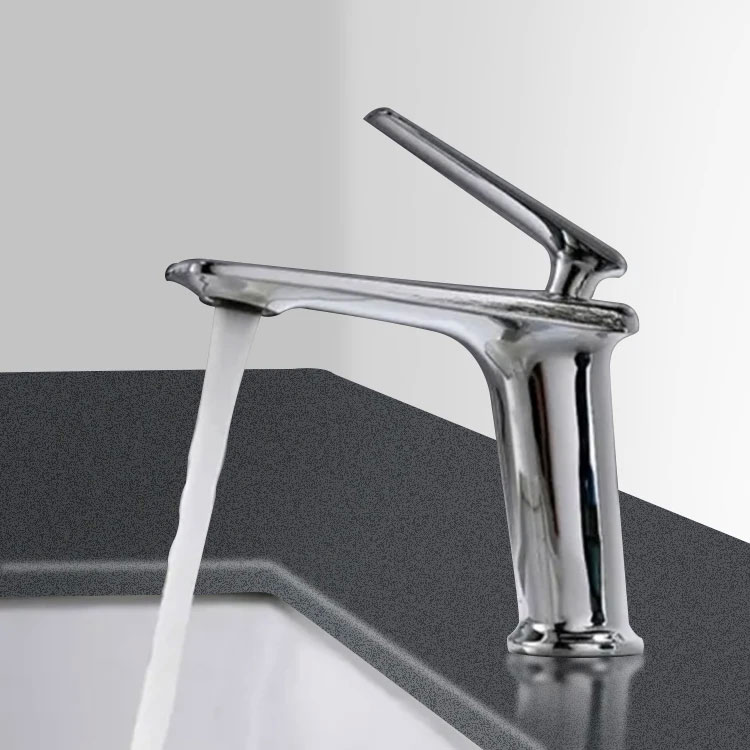
Table of Contents
- Introduction to Cold Taps
- Cold Tap Basics and Common Uses
- Material Selection and Specifications
- Installation Considerations and Compatibility
- Common Cold Tap Problems and Fixes
- Frequently Asked Questions
- Conclusion and Contact Us
Introduction to Cold Taps
A cold tap is a specialized valve designed to dispense cold water directly, without routing through a water heater. Cold taps are found in kitchens, bathrooms, outdoor gardens, utility rooms, and in commercial applications such as restaurants and laundries. Their straightforward plumbing connection and consistent performance make them a foundational element in both residential and commercial settings. The correct selection of cold tap ensures reliable water delivery and minimises maintenance issues over time.
Cold Tap Basics and Common Uses
At its core, a cold tap provides unheated water for general purposes. Although many faucets combine hot and cold water through a mixer, a standalone cold tap simplifies the plumbing layout and reduces energy use. Cold taps may be used for potable drinking water, rinsing dishes and produce, garden hose connections, washing machine hookups, and commercial equipment interfaces.
- Kitchen Application: Filling water bottles, rinsing food, drinking water supply.
- Bathroom Use: Hand-washing basins and bidets connected to cold line only.
- Outdoor and Garden: Hose connections for landscaping tasks.
- Utility Rooms: Laundry and appliance feeds requiring cold water.
Material Selection and Specifications
Material choice is a key factor influencing durability, sanitation, and long-term performance of cold taps. Suitable materials resist corrosion, provide hygienic water contact, and ensure stable mechanical operation.
| Material | Advantages |
|---|---|
| Brass | Strong, corrosion-resistant, common for residential and commercial use. |
| Stainless Steel | High corrosion resistance and hygiene, ideal for kitchens. |
| Plastic / ABS | Economical and lightweight for light-use or budget installations. |
Installation Considerations and Compatibility
Proper installation maximises performance and prolongs the service life of cold taps. Factors to consider include mounting style, pipe connections, and local plumbing codes. Typical mounting methods are deck-mounted on sinks or wall-mounted for outdoor fixtures. Standardised thread sizes and fittings should be employed to ensure secure, leak-free connections. Follow manufacturer torque specifications and secure backflow prevention to protect water quality.
- Deck-Mounted Installation: Common for kitchen and bathroom sinks.
- Wall-Mounted Installation: Often used for outdoor or utility faucets.
- Backflow Prevention: Required in many jurisdictions to protect potable water.
Common Cold Tap Problems and Fixes
Cold taps are simple devices, but several common issues can affect their performance. Effective diagnosis and repair save time and cost over replacement.
- No Water Flow: May be due to blocked pipework or closed isolation valve. Check supply lines and valves first.
- Flow Fluctuation: Temperature fluctuations at the tap can indicate pipe heat exposure or cross-connection.
- Stiff Handle: Mineral build-up or worn cartridge may require cleaning or replacement.
Frequently Asked Questions
Q: What exactly is a cold tap?
A: A cold tap is a plumbing faucet that supplies cold water from the main water line without mixture with heated water. It connects only to the cold line and is used for drinking, washing, and everyday water needs.
Q: Are cold taps different from mixer taps?
A: Yes. A cold tap provides only unheated water, whereas mixer taps blend hot and cold water streams in a single outlet.
Q: How do I choose the right cold tap?
A: Choose based on material quality, installation type, and certification compliance. Brass and stainless steel are common durable choices, with ABS plastic suitable for budget or interim installations.
Q: What maintenance does a cold tap require?
A: Occasional cleaning of aerators, checking for leaks, and monitoring flow consistency is recommended. Replace internal cartridges or washers if performance declines.
Conclusion and Contact Us
A cold tap is a basic yet vital component in water delivery systems. Understanding its design, materials, installation methods, and common performance issues allows homeowners and professionals to make informed decisions. Using high-quality fixtures also supports reliability and prevents costly maintenance over time. MNBAM offers well-engineered cold tap solutions that combine durable materials with versatile installation options for residential and commercial environments.
For personalised consultation, product options, or technical guidance on selecting the best cold tap for your project, contact us today to discuss your needs and find the ideal solution.